Related Posts

General News Blog
My WordPress Blog
My WordPress Blog
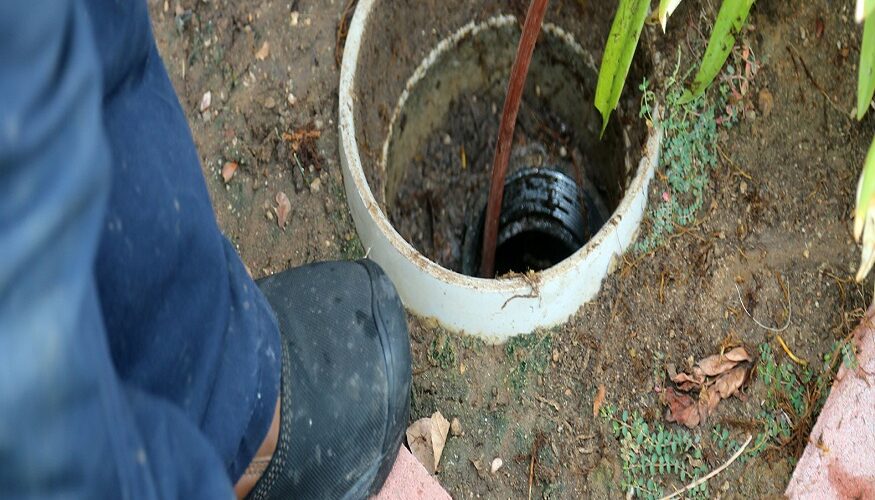
Blocked drains are one of the most frustrating home issues Adelaide homeowners face, and they’re often one of the first plumbing problems most people try to fix themselves. A slow sink here or a gurgling shower there might seem minor, especially compared to emergencies like burst pipes or flooding. But knowing when DIY methods are safe and when professional help is necessary can prevent damage, health risks and costly repairs later on.
Whether you’re tackling a minor obstruction or facing a full sewer backup, understanding the difference between a fix you can safely perform and a job requiring experienced plumbing intervention, including blocked drains Adelaide, can make all the difference in outcomes and peace of mind.
Most households reach for simple tools or kitchen remedies when water starts pooling in a sink: plungers, hot water, even household ingredients like baking soda and vinegar. These can work for superficial clogs near the drain opening, and many homeowners manage to clear minor blockages with these methods.
However, drains are part of a complex plumbing system that runs deep beneath your floors, garden and even under your home, and not all blockages are superficial. In fact, many signs that your drain is troubled indicate problems beyond simple debris near the surface.
Calling a professional plumber becomes increasingly important when the symptoms suggest a deeper, more complex issue. Trained and licensed plumbers have the early warning experience and specialised tools to clear, diagnose and prevent future problems safely and effectively, long before a simple clog turns into a full-blown plumbing emergency.
There are moments when trying to clear a blocked drain yourself is reasonable and often successful. These include:
However, DIY fixes work best only for blockages located close to the surface and when they don’t persist or worsen after several attempts. Once symptoms increase in severity or recur frequently, it’s time to think beyond quick home remedies.
If you’ve cleared a drain yourself and it keeps blocking again, it’s likely the obstruction isn’t just near the entrance; it’s deeper in the pipe or part of a larger problem. Recurring blockages often signal an underlying issue such as tree roots invading the line, collapsed pipes or significant grease buildup that simple DIY tools cannot address.
When more than one drain in your home, kitchen sink, bathroom, laundry or toilet, is slow or backed up at the same time, this often indicates a blockage in the main line. These blockages are beyond the reach of common household tools and need professional diagnostics and clearing.
Unusual noises coming from your drains, like gurgling, bubbling or rushing sounds, are more than annoying. There are signs that water and air are struggling to pass a blockage deep in the system. Similarly, persistent foul odours that don’t disappear after flushing or cleaning almost always mean debris or waste trapped further down the line.
One of the clearest signals of a severe blockage is water backing up into sinks, showers or toilets when another fixture is used. For example, running water in the washing machine, causing toilet water to rise, is a serious sign of main line blockage and requires immediate professional attention.
If you notice sewage or greywater overflowing from drains or even small amounts backing up, that’s a health hazard. Raw wastewater carries bacteria and pathogens that can pollute your home environment and require urgent mitigation by trained professionals.
Ignoring serious blocked drain issues can lead to major problems beyond inconvenience. Continued pressure from a hidden blockage can eventually damage pipes, causing leaks or collapses that require excavation and costly replacement. Persistent backups also create conditions for water damage, mould growth, and structural issues in cabinetry, flooring and foundations.
Even worse, ongoing sewage or waste buildup can pose health risks to your household, including airborne pathogens and bacterial contamination of surfaces around your home, especially if wastewater overflows into living spaces or gardens.
Licensed plumbers offer solutions that simply aren’t available with DIY approaches. They can:
Provide long-term advice and preventative solutions, such as regular maintenance schedules, to avoid repeat issues. Experienced plumbers also follow safety and building standards that DIY methods can overlook.
DIY drain clearing can be effective for minor clogs near the surface, but it’s not a substitute for professional expertise when symptoms indicate deeper issues or recurring problems. Ignoring signs like persistent slow drainage, foul smells, water back-ups, or gurgling sounds can lead to significant damage and costs. Blocked drains Adelaide services have the right tools, diagnostic equipment and safety knowledge to clear serious blockages, protect your plumbing, and prevent future issues.
When simple home methods no longer suffice, calling a professional plumber ensures the problem is diagnosed and resolved thoroughly, and helps you avoid the stress and expense of mangled pipes or recurring blockages.
Can I try DIY fixes before calling a plumber?
Yes. Basic DIY solutions (plunging, hot water, natural cleaners) may help with minor, surface clogs. But if issues persist or recur, professional help is necessary.
How do I know if the blockage is serious?
Signs like gurgling noises, multiple drains slowing down, foul odours, and water backing up into other fixtures generally mean it’s time to call a plumber.
Will chemical drain cleaners damage my pipes?
Overuse of harsh chemicals can corrode pipes and damage seals over time. Professional plumbers use safer and more effective methods.
Can a blocked drain cause property damage?
Yes. Left untreated, a severe blockage can lead to pipe damage, leaks, water damage and even mold growth.
What tools do plumbers use that I don’t have at home?
Professionals use CCTV camera inspection systems, high-pressure hydro-jetting machines and motorised drain snakes that can reach deep blockages safely and effectively.